Yellow Spots On Sheets (What They Are And How To Remove Them)
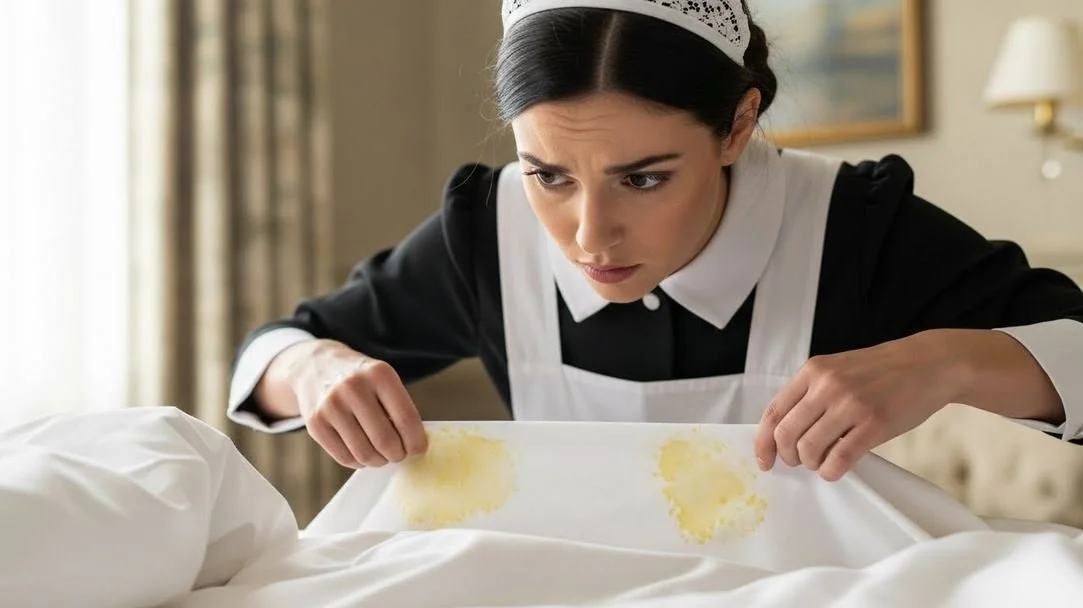
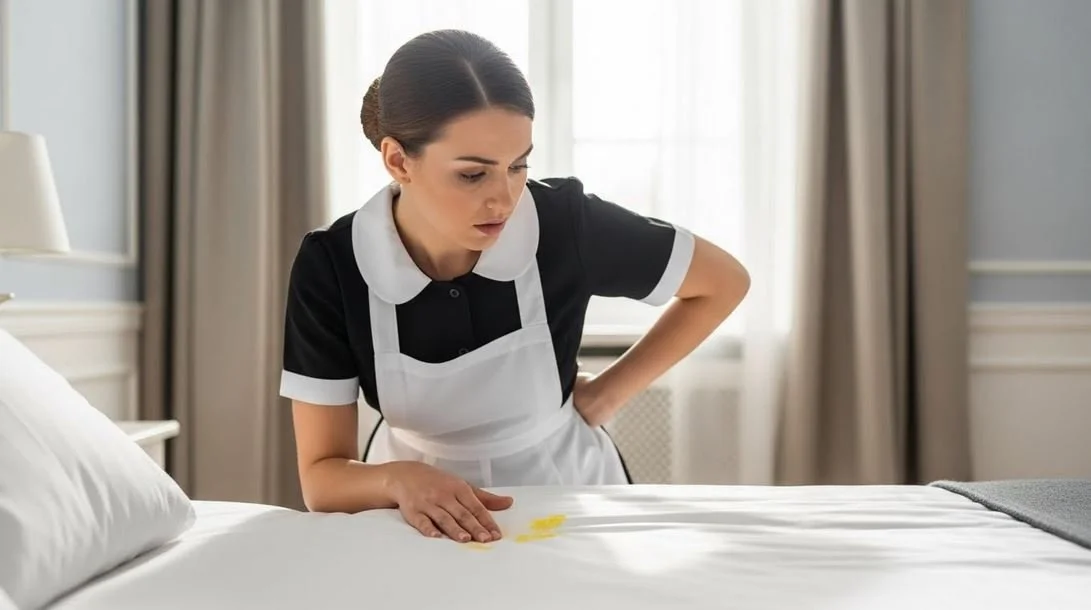
You pull the sheets off the bed, hold them up to the light, and there they are. Yellow spots. Not exactly what you want to see on something that’s supposed to feel clean and fresh.
The annoying part is that these stains often show up even when you wash your sheets regularly and take good care of them.
The good news is that yellow spots usually come from everyday stuff, not anything gross or mysterious. Most of the time, it’s just your body doing normal human things mixed with how sheets get washed and used over time.
Once you know what’s causing the stains, getting rid of them gets a lot easier.
In this post, I’ll go over the most common causes of yellow spots on sheets, then talk about how to actually remove them without overcomplicating things.
#1 Sweat And Body Oils
This is the number one cause of those yellow spots, and it catches a lot of people off guard.
Even if you shower before bed, your body still sweats at night. Add natural skin oils into the mix, and those substances soak into the fabric slowly but surely.
Over time, sweat and oils oxidize, which is what turns them yellow. That’s why you usually see stains around pillowcases, the chest area, and the side of the bed you sleep on most.
Hot sleepers tend to notice this faster, but it happens to everyone eventually.
Regular washing helps, but standard detergent doesn’t always break down oils completely, especially if you usually wash in cold water.
Also Read: Ammonia Smell In House
#2 Drool Or Saliva
Not the most glamorous topic, but very common.
Drool and saliva contain proteins that cling to fabric and discolor it over time. Pillowcases take the biggest hit here, especially if you sleep on your side or stomach.
At first, these spots can look faint or almost invisible. After repeated washing and drying, they darken and turn yellow.
Heat from the dryer actually sets these stains, which makes them harder to remove later.
If the yellowing is mostly on pillowcases and centered near where your mouth rests, saliva is a strong suspect.
#3 Deodorant Or Skincare Products
Lotions, night creams, serums, and deodorants can also cause yellow spots on sheets.
These products don’t always play nice with fabric. Some ingredients react with sweat or minerals in water and cause yellow staining over time.
This usually shows up on sheets near the underarm area or around the neck and shoulders.
Even products labeled as “clear” or “non-staining” can build up in fabric after repeated use.
The tricky part is that these stains don’t always appear right away. They develop slowly, which makes it seem like the sheets are yellowing for no reason.
Also Read: Bona Vs Murphy’s Oil Soap
#4 Hard Water
Hard water contains minerals like calcium and magnesium.
These minerals don’t rinse out easily and tend to cling to fabric fibers. Over time, they dull whites and give sheets a yellow or dingy look.
If your towels also feel stiff or look slightly off-white, hard water might be part of the problem.
Detergent doesn’t lather as well in hard water, so sheets don’t get as clean as you think they are.
This kind of yellowing is usually spread across the sheet instead of being concentrated in one spot.
#5 Detergent Buildup
This is another common reason behind yellow stains on sheets.
Using too much detergent is surprisingly common. When excess soap doesn’t rinse out fully, it traps oils, sweat, and dirt inside the fabric. That trapped grime slowly turns yellow.
This is especially noticeable on thicker sheets or high-thread-count cotton.
Fabric softeners can make the problem worse by coating the fibers and locking everything in.
If your sheets feel waxy, stiff, or smell “off” even after washing, detergent buildup could be a big contributor.
Also Read: Pen Exploded In The Dryer
#6 Aging Fabric
Sometimes the explanation is simple. Sheets don’t last forever. Over years of washing, drying, and nightly use, fibers break down and lose their brightness.
White sheets are the most obvious victims, but light-colored sheets can yellow too.
Once fabric reaches a certain age, it stains more easily and holds onto discoloration longer.
Even with perfect care, older sheets will eventually look less fresh than they once did.
#7 Infrequent Hot Washing
Cold water is great for saving energy, but it doesn’t always cut through oils and sweat.
If sheets are always washed cold, residue builds up slowly.
Hot or warm washes help dissolve oils and sanitize fabric more effectively. Skipping hotter washes entirely can allow yellowing to develop, even if the sheets look clean at first glance.
This doesn’t mean every wash has to be hot, but an occasional warm or hot cycle makes a big difference.
How To Get Rid Of Yellow Spots On Sheets
Getting rid of yellow spots doesn’t require fancy products or complicated routines. A few simple changes like these usually do the trick:
Wash sheets in warm or hot water, especially white or light-colored ones
Add white vinegar to the rinse cycle to break down oils and detergent residue
Use baking soda in the wash to help lift stubborn stains
Soak heavily stained sheets in oxygen bleach before washing
Skip fabric softener and dryer sheets, which can trap buildup
Drying matters too. Air drying or using a lower heat setting helps prevent stains from setting permanently. If a stain is still visible after washing, avoid the dryer and treat it again.
For hard water homes, using a water softener additive or switching detergents designed for hard water can make a noticeable difference over time.
Bottom Line
Yellow spots on sheets usually come from everyday life, not poor hygiene or neglect. Sweat, oils, saliva, products, water quality, and washing habits are all causes, often working together quietly in the background.
Once you know the cause, removing the stains becomes much less frustrating. A few small adjustments, like warmer washes and less detergent, go a long way.
And if sheets are simply worn out, replacing them might be the easiest fix of all.
Clean sheets should feel comforting, not stressful. A little knowledge and a few tweaks can bring them back to looking fresh and inviting again.
Take Care of Your Bedding to Prevent Tough-to-Remove Yellow Spots
Mostly yellowing on bedding results from poor or irregular care as well as improper cleaning methods. There are several household treatments for removing yellow stains. However, depending on how much dirt, oil, and detergent residue has accumulated in the sheet; they may require deep cleaning to remove all of this grime. If you want to ensure your house remains clean, (including those many times forgotten about fabrics and surfaces), we at Karen's Green Cleaning provide green cleaning solutions. We will assist you with maintaining a clean, cool sleep area where you feel comfortable every single night.