Ammonia Smell In House? (Here’s Where It’s Coming From)
Walking into your house and getting hit with an ammonia smell is one of those things that instantly makes your brain go, “Okay… something is wrong.”
It’s sharp, it’s unpleasant, and it doesn’t smell like anything you want hanging around your home.
The tricky part is that ammonia smells don’t always come from one obvious source. Sometimes it’s something simple and harmless. Other times, it’s a sign you need to act fast.
In a lot of cases, it’s tied to everyday stuff you already have in your home.
In this post, I’ll go over where that smell is coming from, and how to get rid of the ammonia smell in the house.
Why Does My House Smell Like Ammonia?
An ammonia smell usually means something is releasing nitrogen-based compounds into the air.
The smell tends to get stronger in enclosed areas, warm rooms, or spaces with poor airflow, which is why it sometimes feels worse at night or first thing in the morning.
Here’s where it could be coming from:
#1. Cleaning Products Or Household Chemicals
This is the most overlooked cause, mostly because it feels too obvious.
A lot of common household cleaners contain ammonia or ingredients that smell very similar.
Glass cleaners are the biggest offenders, but floor cleaners, degreasers, and some disinfectants can do it too.
Even if you didn’t clean recently, fumes can still leak from bottles stored under sinks, in laundry rooms, or inside utility closets. A slightly loose cap or a cracked container is enough to let that sharp smell escape slowly over time.
Mixing cleaning products can also make things worse.
Combining ammonia-based cleaners with bleach creates a powerful odor and dangerous fumes, which is something you want to avoid at all costs.
If the smell gets stronger near cabinets or storage areas, that’s a strong clue.
Ventilating the space and checking your cleaning supplies is a good first move, and sometimes it’s all it takes to fix the problem.
#2. Pet Urine
If you have pets, especially cats, this one jumps to the top of the list fast.
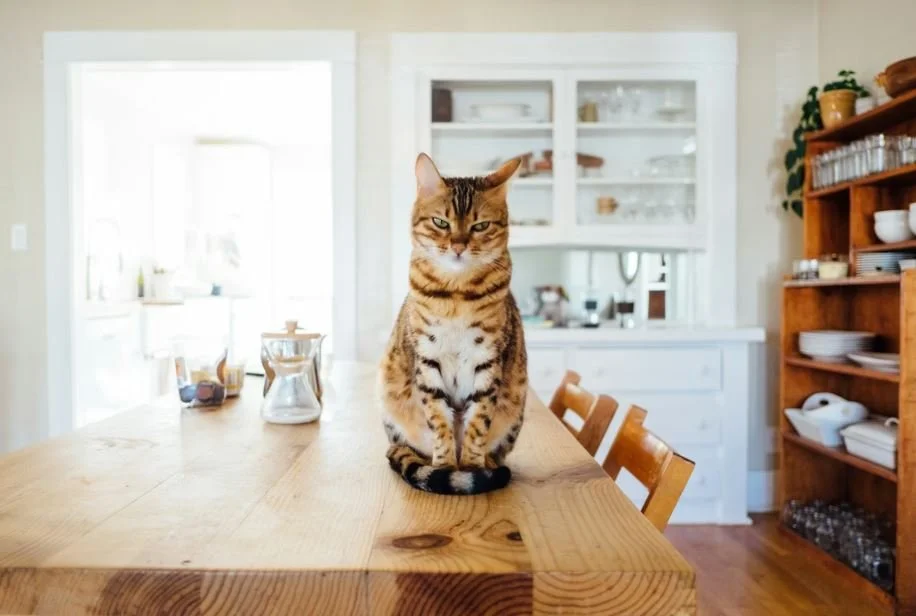
Cat urine, in particular, breaks down into ammonia as it ages. That’s why it smells so intense and why it can come back even after you think you cleaned it.
The tricky part is that old pet urine doesn’t always live on the surface. It can soak into carpet padding, subfloors, baseboards, and even drywall. Warm or humid conditions can reactivate the smell, making it seem like it appeared out of nowhere.
Dogs can cause the same issue, especially in homes with carpets or rugs.
If the smell is strongest near floors, corners, or specific rooms your pet favors, urine is a very likely the reason behind that ammonia smell in house.
Regular cleaners usually won’t cut it here. Enzyme-based cleaners are designed to break down the compounds causing the smell, which is why they work better long term.
Also Read: Non Toxic Floor Cleaners For Pets
#3. Plumbing Or Sewer Issues
Plumbing problems can absolutely create ammonia-like smells, and they don’t always smell like the classic “rotten egg” sewer gas people expect.
Dry P-traps are a common cause, especially in guest bathrooms, basements, laundry rooms, or floor drains that don’t get much use.
When a trap dries out, sewer gases can come back up into the house.
Some of those gases have a sharp, chemical smell that gets described as ammonia.
Cracked pipes, blocked vents, or partial clogs can also push odors back into your living space instead of sending them outside.
If the smell seems tied to bathrooms, drains, or comes and goes with water use, plumbing deserves a closer look. Running water in all sinks and drains can sometimes solve it. If it doesn’t, a plumber can pinpoint the issue pretty quickly.
#4. Mold/Bacterial Growth
Mold doesn’t always smell musty. Some types of mold and bacteria produce a sharp, biting odor that people often mistake for ammonia or chemicals.
This usually happens in damp, hidden areas where moisture sits for long periods.
Basements, crawl spaces, bathrooms, behind walls, and under flooring are common trouble spots. The smell might be stronger after rain, during humid weather, or when your HVAC system kicks on and circulates air through affected areas.
If you’ve had water damage, leaks, or ongoing humidity problems, this is one cause you don’t want to ignore.
Mold-related smells usually don’t disappear on their own. Finding and fixing the moisture source is just as important as dealing with the mold itself.
Also Read: Is OxiClean Toxic?
#5. Refrigerant Leaks
Refrigerant leaks are less common, but they’re serious enough to mention.
Refrigerators, freezers, and air conditioning systems contain refrigerants that can produce a sharp, chemical smell when there’s a leak. Some people describe it as ammonia-like, others say it smells sweet or metallic.
Either way, it’s not normal.
A failing fridge might give off this odor from the back or inside the unit. HVAC issues can spread smells through vents, making it harder to trace.
If the ammonia smell in house gets stronger near appliances or vents, that’s a red flag.
This isn’t a DIY situation. Refrigerant leaks can be harmful, so shutting off the appliance and calling a professional is the safest move.
#6. Paint, New Materials, Or Renovation Work
Fresh paint, new flooring, cabinets, insulation, and adhesives can all release strong fumes that sometimes smell like ammonia. This is especially common with oil-based paints, certain primers, and construction materials used in renovations.
These smells usually show up in recently updated spaces and fade over time, but poor ventilation can make them linger much longer than expected.
Smaller rooms trap fumes easily, which is why a freshly painted bathroom or closet can smell intense for days.
Opening windows, running fans, and giving the materials time to off-gas usually solves the problem. If the smell keeps getting stronger instead of fading, something else might be going on.
Also Read: Does Coolant Stain Concrete?
How To Get Rid Of Ammonia Smell In House
Getting rid of an ammonia smell always starts with finding the source. Covering it up with sprays or candles won’t fix anything and usually just creates a weird mix of smells.
Start by airing the house out as much as possible, then work through the most likely causes based on where the smell is strongest.
Once the root issue is handled, the odor usually fades pretty quickly on its own
But if you want to get rid of that ammonia smell FAST, here’s how:
Open windows and doors to improve airflow, and use fans to push stale air out
Place open bowls of baking soda around the affected room
Sprinkle baking soda on carpets or rugs
Set out bowls of white vinegar
Simmer lemon peels, cinnamon sticks, or cloves on the stove
Add a few drops of essential oils like lavender, eucalyptus, or tea tree to a diffuser
Use activated charcoal bags
Wash fabrics, curtains, pet bedding, and throw rugs that may be holding onto the smell
These methods work best after the source has been handled. If the odor keeps coming back no matter what you try, that’s usually a sign something deeper needs attention.
Bottom Line
An ammonia smell in the house comes down to cleaning products, pet urine, plumbing issues, moisture problems, appliances, or recent renovations.
Some causes are simple fixes. Others need a professional’s touch.
If the smell is strong, persistent, or making your eyes or throat burn, don’t brush it off. Track down the source, ventilate the space, and take action.
Once you deal with the root cause, your house should go back to smelling like, well, nothing at all.
And honestly, that’s the best smell there is.
Addressing Ammonia Smells and Keeping Your Home Fresh
Identifying where an unpleasant ammonia smell in your home originated is only half the battle; keeping a clean home ensures that the ammonia smell does not continue. The source of most smells are associated with much bigger issues requiring a thorough cleaning and ongoing maintenance. As such, this is what Karen’s Green Cleaning Solutions provides professional cleaning services to remove all unwanted and pungent smells from your home. Regular cleaning and servicing by professionals allows you to maintain a safe and pleasant place to live or work free of unwanted odors.