What Should You NOT Clean Hardwood Floors With
Hardwood floors have a way of making a home feel warm, pulled together, and just a little more grown-up.
They also have a talent for getting damaged in ways that feel confusing and totally unfair.
One wrong cleaner, one “this should be fine” moment, and suddenly the shine is gone or the boards start looking a little sad.
Unfortunately, a lot of the products people swear by for cleaning are exactly the ones hardwood floors hate the most. Some are too harsh, some are too wet, and some quietly cause damage over time without you realizing it.
In this post, I’ll go over what you should NOT clean hardwood floors with.
#1 Steam Mops
Steam mops sound amazing. Hot steam. Deep cleaning. Germs don’t stand a chance. Unfortunately, hardwood floors don’t see it that way.
Steam forces moisture into the tiny seams and pores of the wood. Even floors with a protective finish aren’t immune. Over time, that trapped moisture can cause warping, cupping, and cloudy patches that never quite go away.
You might not notice damage right after using it, which makes steam mops extra sneaky.
The problems usually show up later, when repairs are way more annoying and expensive.
Hardwood prefers gentle care. Steam is just too intense for something made of natural wood.
Also Read: Non Toxic Floor Cleaners For Pets
#2 Vinegar Or Other Acidic Cleaners
Vinegar feels harmless because it’s natural and widely recommended online.

The problem is that acidity doesn’t care about good intentions. Acidic cleaners slowly break down the protective finish on hardwood floors, thinning it layer by layer until the wood is left exposed.
What makes vinegar especially tricky is how gradual the damage is.
The floor may look clean at first, which encourages continued use. Then one day, sunlight hits the floor just right and you notice dull patches or uneven shine.
At that point, cleaning harder won’t help, because the issue isn’t dirt.
It’s a worn-down finish that can’t protect the wood anymore.
#3 Ammonia
You should not use ammonia on hardwood floors either.
Ammonia is often found in strong household cleaners, especially ones designed to cut grease. While it’s effective for certain surfaces, hardwood floors don’t stand a chance against it over time.
Ammonia strips away protective coatings and leaves the surface vulnerable to wear.
Another issue is how unforgiving ammonia can be.
Slightly too much product, or using it too often, can cause uneven discoloration that’s hard to fix. Floors may start reflecting light differently in certain areas, making them look blotchy or aged even when they’re clean.
Once that protective layer is compromised, everyday foot traffic accelerates the damage.
Also Read: Ammonia Smell In House
#4 Oil-Based Soaps (Like Murphy’s Oil Soap)
This one surprises a lot of people.
Oil-based soaps are marketed as being made for wood, so it feels logical to use them on hardwood floors.
The problem is residue. These soaps leave behind an oily film that builds up over time. At first, the floor might look shiny and rich. Then it starts attracting dirt, footprints, and streaks.
Eventually, the surface can feel sticky, and regular cleaning becomes harder instead of easier.
That buildup also creates problems if you ever want to refinish your floors.
The residue interferes with new finishes sticking properly, which turns a simple update into a whole ordeal.
#5 Abrasive Scrub Brushes Or Scouring Pads
Abrasive tools usually come out during moments of frustration. Something spills, it dries, and suddenly gentle cleaning doesn’t feel like enough.
Scrub brushes and scouring pads seem like the logical solution, but they do real damage in a very short amount of time.
Hardwood floors don’t need scrubbing like a dirty bathtub. Abrasive brushes and scouring pads scratch the finish, sometimes deeply enough that the damage is permanent.
Even small scratches add up. They dull the surface, catch the light in weird ways, and make the floor look worn long before its time. Once the protective finish is scratched, moisture and dirt have an easier path into the wood itself.
If a mess won’t come up with gentle cleaning, it usually means the product is wrong, not that you need more elbow grease.
Also Read: Bona Vs Murphy’s Oil Soap
#6 Too Much Water
Water is probably the most misunderstood issue with hardwood floors.
People know flooding is bad, but everyday over-mopping doesn’t seem dangerous.
The truth is, hardwood doesn’t need much moisture at all to start reacting.
Excess water seeps into seams, edges, and small imperfections in the finish. Even if the surface dries quickly, moisture can stay trapped underneath.
Over time, boards may swell, edges can lift, and the floor can develop soft spots or creaks. Corners, baseboards, and areas under furniture are especially vulnerable because they dry more slowly.
So don’t use too much water to clean hardwood floors with.
#7 Bleach
Bleach is powerful. Too powerful.
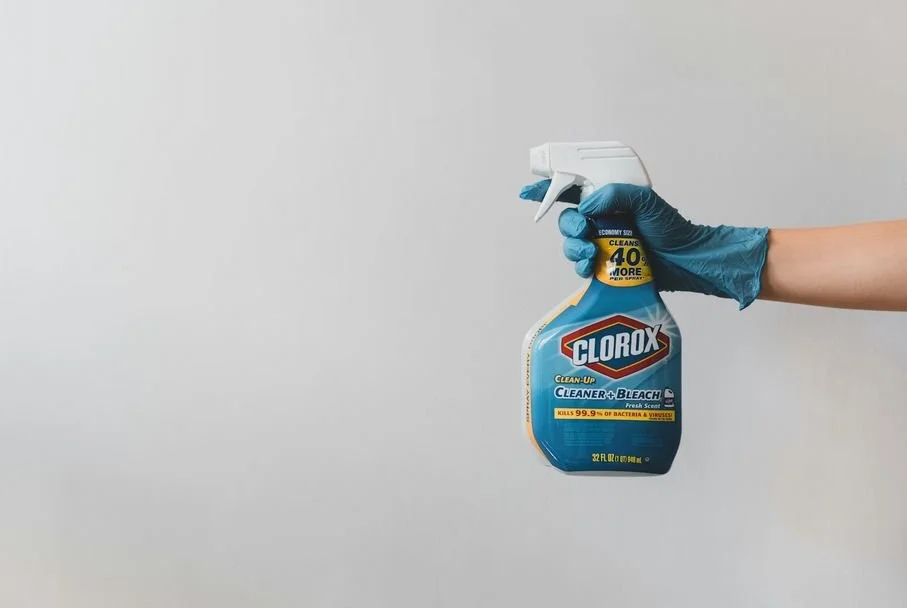
On hardwood floors, bleach can discolor the wood, weaken the finish, and dry everything out. Even diluted bleach can cause light spots or uneven coloring that stands out against the rest of the floor.
Plus, it's also unnecessary. Hardwood floors don’t need disinfecting the same way kitchen counters do.
Regular gentle cleaning is enough to keep them looking good and feeling clean without risking permanent damage.
Another problem is how bleach interacts with previous cleaning products. Leftover residue can react unpredictably, creating discoloration that spreads beyond the original spill or cleaning area.
Once bleach damage appears, there’s no easy way to blend it in. Refinishing is often the only real fix.
#8 Furniture Polish Or Wax Sprays
You should not clean hardwood floors with polish and wax sprays either.
Furniture polish and wax sprays promise shine, and they deliver it fast. The issue is that the shine is artificial and temporary. These products leave a coating on the surface that builds up over time, trapping dirt instead of lifting it away.
That buildup also creates safety issues. Floors become slick, especially when socks are involved.
Light reflects unevenly, making some areas look overly glossy while others appear dull.
Eventually, the natural grain of the wood gets masked, and removing the buildup often requires professional stripping, which most people never intended to deal with.
Bottom Line
Hardwood floors don’t need heavy-duty cleaners or aggressive tools. In fact, those are usually the fastest way to ruin them.
The biggest enemies are heat, harsh chemicals, abrasives, and too much moisture.
Stick with gentle cleaners made specifically for hardwood, use soft microfiber mops, and keep water use minimal. Clean regularly, but don’t overdo it. Hardwood prefers calm, consistent care over dramatic deep cleans.
Treat your floors like a good piece of furniture instead of a tile floor, and they’ll reward you by looking great for years.
Protect Your Floors from Damage, Build-Up, Dullness with Proper Cleaning Methods
Just like there are methods for maintaining cleanliness and proper maintenance on your floors — there also ways in which improper use of products could potentially cause lasting damage, excessive build-up or leave a dull finish on your flooring; one that may require more than standard cleaning methods to remove. Karen's Green Cleaning offers you professional floor cleaning services that will keep your hardwood floors clean without causing you lasting problems. The expert service provided at Karen's Green Cleaning will give you the ability to have a clean, polished appearance on your flooring while keeping it protected.