Can I Leave Vinegar On Mold Overnight?
Discovering a patch of mold at home has a special way of ruining your mood in two seconds flat.
You spot that little smudge, lean in for a closer look, and suddenly you’re debating if you should panic-clean or pretend you didn’t see it until tomorrow.
And then someone always says, “Just use vinegar!” which sounds easy enough… right up until you start wondering how long it’s supposed to sit, or if it’s okay to leave it soaking overnight.
In this post, I’ll explain if you can leave vinegar on mold overnight.
Does Vinegar Kill Mold?
Yes, plain white vinegar is great dealing with small mold patches.
It’s acidic enough to break down the structure of many common molds, and it does a pretty solid job at getting into porous surfaces.
That’s one of the best things about it - it doesn’t just sit on top like some harsher products. It actually sinks in, reaching mold roots that like to cling to grout, drywall, or wood.
Now the odor of vinegar isn’t exactly fun, but compared to bleach fumes that stick around for hours, it’s honestly not bad. Plus, vinegar is safe to use around pets and kids as long as you’re not leaving puddles out that little hands or paws can reach.
Another thing people don’t realize is that vinegar works best when it’s used at full strength.
No watering down needed!
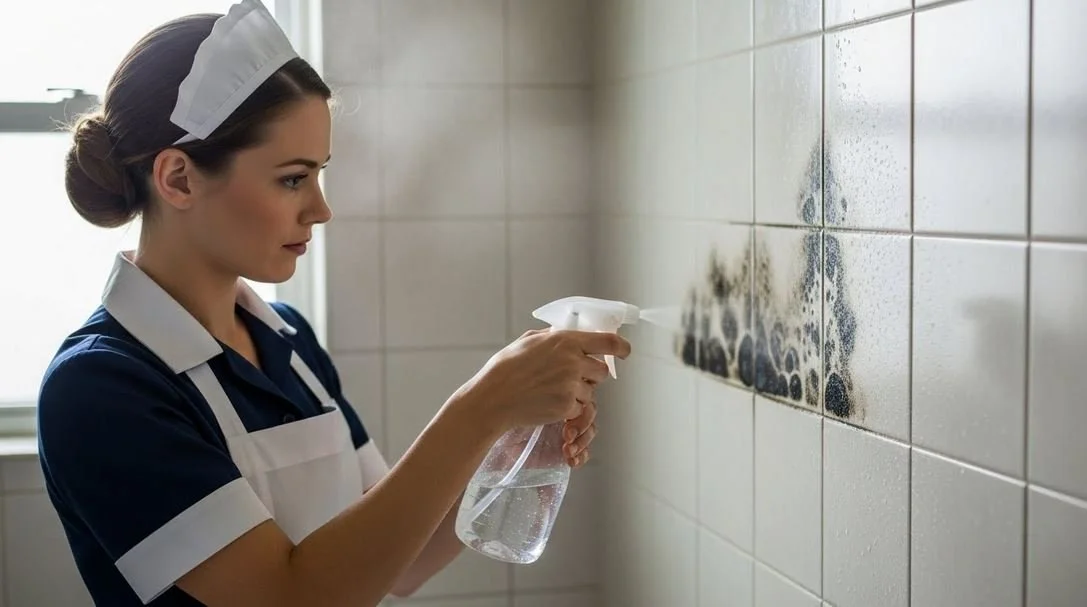
The plain stuff straight from the bottle is usually around five percent acidity, and that’s enough for most household mold situations.
Also Read: Mold On Mirror
Can You Leave Vinegar On Mold Overnight?
You sure can leave vinegar on mold overnight, and it’s actually a great idea in many cases.
Letting vinegar sit for an extended stretch of time gives it more contact with the mold, which lets it break things down more effectively.
Mold on porous surfaces like wood, grout, or certain kinds of painted walls often needs more time because those tiny roots can run a little deeper than you’d expect.
Leaving vinegar on overnight allows it to work slowly and consistently.
You’re basically giving it time to soak in, lift, soften, dissolve, and just generally bully the mold into letting go. There’s nothing magical about the eight-hour mark; it just gives the vinegar enough time to do a thorough job while you go about your life and sleep through the whole process.
Some people worry that leaving it on too long might cause problems, but for most surfaces, it’s completely fine.
Just make sure you apply it in a controlled way like spray it or dab it, don’t drench the area like you’re watering a garden.
Also Read: Does Pine-Sol Kill Mold?
How Long Vinegar Should Sit On Mold?
If you’re doing a quick cleanup, vinegar needs at least an hour on the surface to have a meaningful impact.
An hour is usually enough to loosen up the top layers of mold and soften the roots underneath.
But here’s the thing: mold isn’t always sitting politely on the surface. Some types settle into little cracks, tiny pores, or spots in the wall that you can’t see.
That’s why longer soaking time can make a noticeable difference.
Whenever the mold looks stubborn, or the texture of the surface makes it tough for cleaners to sink in, leaving vinegar overnight can help.
On smooth surfaces like tile, the job is easier and quicker. On uneven or absorbent surfaces, slow and steady tends to work better.
Vinegar works beautifully, but it’s not a snap-your-fingers miracle product. Give it time, let it do its thing, and the results will be much better than rushing the process.
How to Use Vinegar to Kill Mold
The process is simple enough that you can do it while still carrying on a phone call, dealing with laundry, or talking to your dog. You just need vinegar, a spray bottle, and a little time.
Here’s the basic approach:
Put undiluted white vinegar into a clean spray bottle
Soak the moldy area fully, making sure every little patch is coated
Let it sit for at least an hour, or leave it overnight for deeper mold
After the soak time, come back with a scrub brush or sponge and give the area a quick scrub.
Then wipe everything clean with a damp cloth.
Also Read: Yellow Spots On Sheets

Once you’ve finished, let the surface air-dry. Mold absolutely despises dry conditions, so giving it a dry finish helps prevent a comeback.
If there’s still a faint stain afterwards, don’t panic.
Mold stains don’t always mean the mold is alive. They can stick around like scars even when the area is totally safe. A second vinegar treatment can lighten the stain if it bugs you, but the big goal is killing the mold itself.
When Leaving Vinegar Overnight Isn’t A Good Idea
Even though vinegar is gentle compared to stronger cleaners, it’s still acidic.
A few surfaces don’t react well to long-term exposure like natural stone (like marble, granite, or travertine) can get etched or lose its shine if vinegar sits too long.
Certain hardwood finishes may dull or streak too.
And if you have metal fixtures that aren’t stainless steel, extended vinegar contact can cause slight discoloration.
Another thing to think about is ventilation.
If the area is tiny and completely closed, the vinegar smell might get overpowering by morning. It’s not dangerous, just annoying. And if you have pets or little kids who might wander over and lick the vinegar off the wall for reasons known only to them, maybe don’t leave it out overnight in reach.
So it’s all about common sense. Always do a quick test patch if the surface seems delicate, keep the space lightly ventilated, and avoid areas tiny hands or curious paws can reach.
Vinegar Vs Other Mold Removal Options
Vinegar isn’t the only player in the mold-cleaning game. You can also use:
Bleach
Hydrogen Peroxide
Store-bought mold sprays
The cool thing about vinegar is that it’s safe, cheap, and surprisingly effective.
It won’t fix everything (big mold problems or mold from hidden leaks still need professional help) but for everyday spots, it’s like having a reliable little teammate under the kitchen sink.
And you don’t have to mix or measure anything, which is always a win on a busy day.
Bottom Line
Leaving vinegar on mold overnight is completely fine in most situations and actually gives you a better result on tougher surfaces.
Vinegar might not smell amazing, but it’s wildly helpful for tackling small patches of mold without filling your home with harsh fumes. Just spray it, let it soak, wipe it off, and let everything dry.
So the next time you spot a little cluster of mold minding its business in a corner of your shower or hiding behind a shampoo bottle, you’ll know exactly how to handle it - and you can do it with nothing more than a bottle of plain white vinegar.
Safe and Effective Mold Removal Starts with the Right Approach
If you have mold at your house and are unsure if it's okay to leave a vinegar solution on for one night, cleaning mold correctly will be key. Using vinegar can work well when the mold issue is minor; however, severe mold may need professional assistance to remove the mold completely and prevent future mold from developing. Karen's Green Cleaning provides expert solutions in a safe manner as opposed to attempting to clean mold yourself. Trusting an expert to remove the mold from your house will give you the confidence that the job has been completed properly and your home will remain odor free and fresh long after the cleaning has taken place.