Restaurant Cleaning Checklist
A Professional Restaurant Cleaning Checklist for Food Safety, Consistency, and Customer Trust
An Essential Restaurant Cleaning Checklist to Help Protect Your Business's Food Safety, Reputation & Daily Operation
For restaurants, cleanliness has little to do with appearance, and much to do with food safety, customer trust, and long-term success. A small detail such as a greasy table top, a dirty restroom, or an unpleasant odor can silently erode customer confidence or cause issues with inspections. For this reason, a structured Restaurant Cleaning Checklist is far more important than a "good intention" to clean.
Karen's Green Cleaning designs restaurant cleaning checklists as systems of operation, not simply as a list of things to do. A well-designed checklist clearly outlines what needs to be cleaned, how often it should be cleaned, and why each task is necessary. The more predictable and consistent cleaning is, the more likely the restaurant will pass inspections, staff will understand what is expected of them, and management will regain control of the daily standards of their operation.
Why Restaurants Must Use Systems of Cleaning, Not Spot Cleaning
Every day, restaurants produce grease, moisture, food debris, and foot traffic. Each one of these conditions creates ideal breeding grounds for bacteria and cross contamination if cleaning is not a systematic process.
A professional Restaurant Cleaning Checklist is designed to categorize cleaning tasks into three fundamental functions:
Protecting food safety (preventing contamination and food borne illnesses)
Maintaining operational efficiency (maintaining equipment and workflow)
Creating a positive customer perception (creating a visually pleasing, pleasant smelling and feeling experience for customers)
The most overlooked critical fact about many teams is: visual cleanliness does not equate to sanitizing. Many disinfectants require a surface to be visibly wet for a specified amount of time to be able to kill bacteria. In addition, many quick "wipe downs" appear productive; however, these are typically ineffective at meeting sanitation standards.
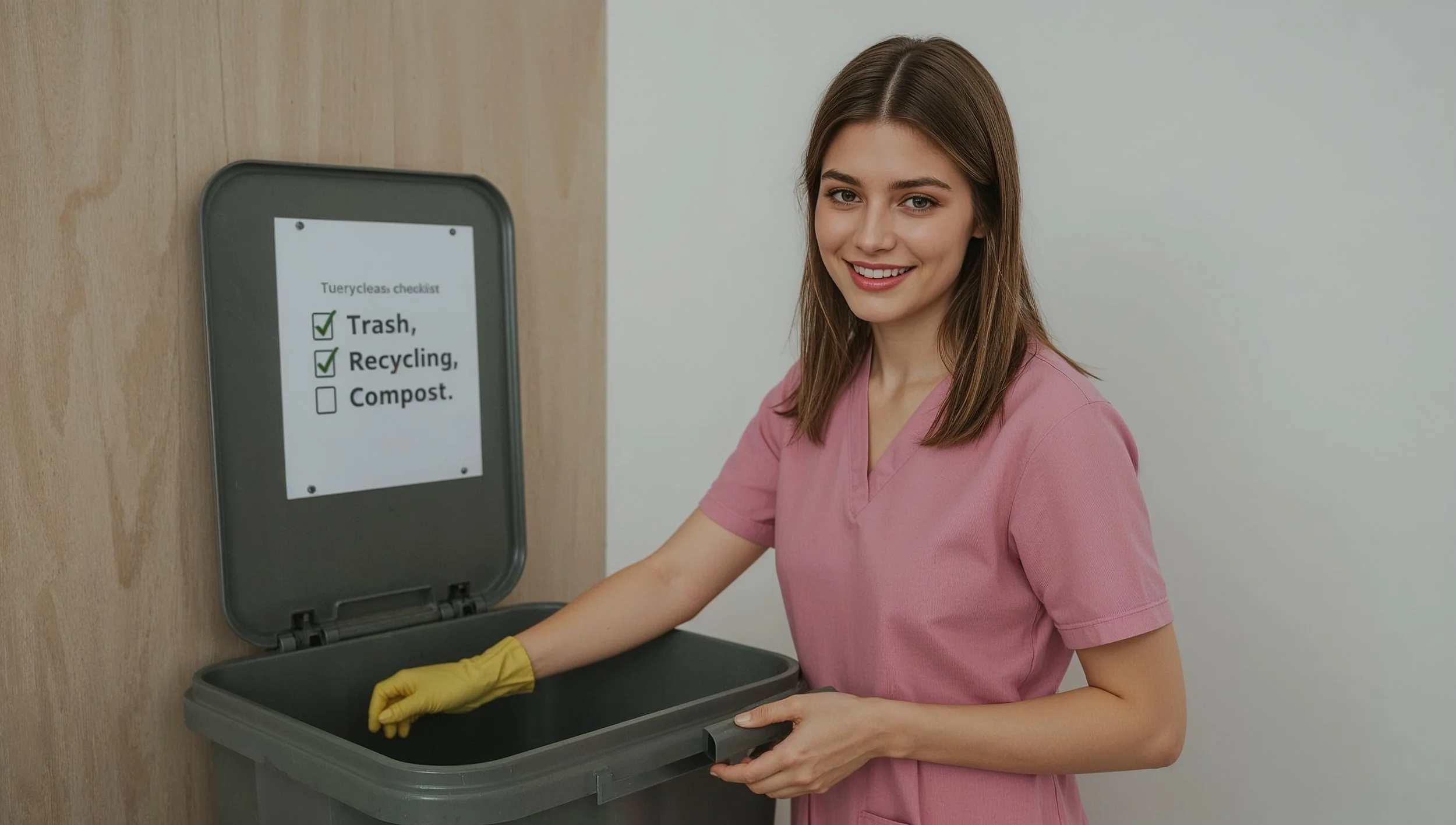
Daily Restaurant Cleaning Checklist: Non-Negotiable Tasks to Protect Public Health
Daily cleaning tasks are the foundation of restaurant sanitation. The following tasks are those which should never be omitted, even on the busiest days.
Kitchen and Food Preparation Areas:
Prep and sanitize all prep surfaces prior to use
Frequently wipe down handles, knobs, and equipment controls
Remove all food debris from cutting boards, slicers, and prep tables
Remove trash from the kitchen before it becomes full and clean the surrounding area
Immediately spot clean spills to eliminate slip hazards
Front of House:
Wipe down tables, chairs, menus, and condiments
Clean the host stand, POS screens, and payment devices
Clean the floor in high-traffic areas
Remove trash and clean bins regularly
Restrooms:
Clean and disinfect toilets, sinks, faucets, and handles
Restock soap, paper towels, and toilet paper
Wipe down door handles, locks, and baby changing stations
Clean and mop the floor and eliminate odors as soon as possible
Each of these daily tasks eliminates some of the fastest ways that germs are transmitted: hands, shared utensils and equipment, and customer facing surfaces.
Weekly Restaurant Cleaning Checklist: Addressing Build Up
Weekly cleaning is when restaurants go from "acceptable" to "maintained professionally".
Kitchen:
Degrease stove tops, hood surfaces, and surrounding walls
Clean under equipment where food and grease collect
Clean removable equipment parts per manufacturer instructions
Clean exterior of refrigerators and inspect for expired food
Sanitize sink, drain, and splash zone areas
Dining Area:
Deep clean the floors, especially under tables and along edges
Wipe down baseboards, chair legs, and booth seams
Clean interior glass, partitions, and windows
Clean interior and exterior of beverage stations and service areas
Remove buildup from the inside and outside of drink machines
Restrooms:
Remove buildup around drains, faucets, and grout
Clean mirrors, dispensers, and partitions
Clean and mop the floor, paying special attention to corners and behind fixtures
Grease and residue solidify rapidly in restaurant environments. If you don't take care of them on a regular basis, they become labor intensive to clean.
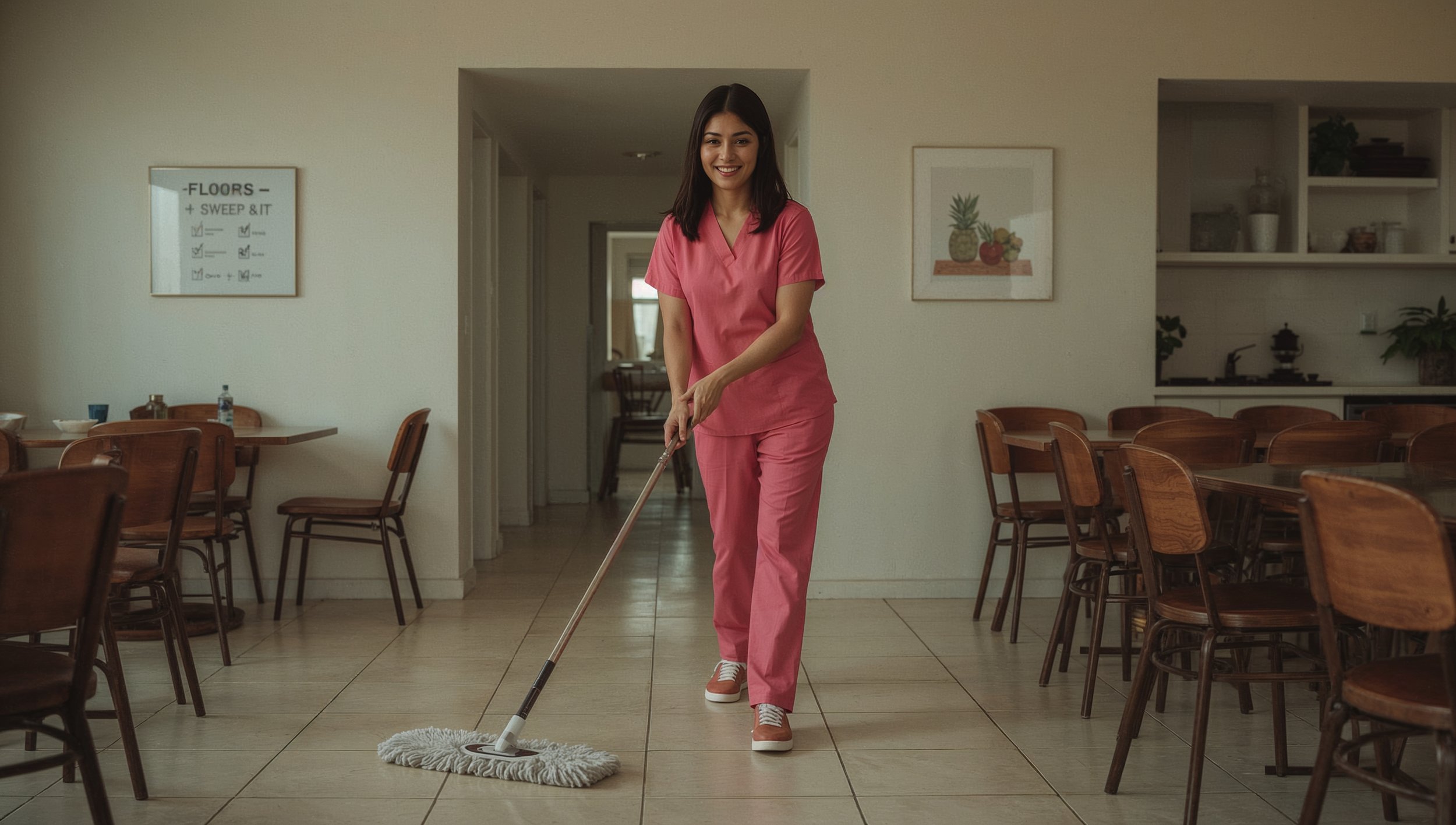
Monthly Restaurant Cleaning Checklist: Maintaining Equipment and Air Quality
Monthly tasks focus on maintaining longevity, regulatory compliance and air flow, areas which quietly affect safety and efficiency.
Clean vents, return air grills and exhaust covers
Detail clean door frames, push plates and high-traffic edges
Deep clean refrigerators, freezers, and shelving
Vacuum upholstered furniture and fabric seats
Remove wall scuff marks and buildup in hallways and storage areas
Important tip: Dust and grease particles can become airborne via movement and air circulation systems. Regular dust control maintains air quality and minimizes residue accumulation on food-contact surfaces.
Restaurant Cleaning Checklist for High Touch Zones: Minimizing the Spread of Illness
High touch areas are where illness transmits the fastest in restaurants.
Primary surfaces to prioritize include:
Door handles and push plates
POS screens and payment devices
Shared tools and equipment controls
Refrigerator handles and prep cooler doors
Restroom locks, dispensers, and faucets
Tip from the field: Disinfecting is most effective after the surface has been cleaned. Grease, food residue and dust act as barriers that decrease the effectiveness of disinfectants.

Restaurant Cleaning Checklist Products: Green Cleaning Methods That Meet Professional Standards
Green cleaning methods are not less effective than traditional cleaning methods when done properly. Green cleaning methods support both performance and safety.
A professional restaurant cleaning kit should contain:
Neutral pH multi-surface cleaning solutions for daily use
Food-safe degreasing solutions for kitchen areas
EPA registered disinfectants for high-touch areas
Color coded microfiber cloth systems to minimize cross-contamination
HEPA filter vacuum systems for improved particulate collection
Microfiber cloths are particularly effective in food-service environments due to their ability to increase surface contact and remove debris rather than spread it.
Restaurant Cleaning Checklist Accountability: Making the System Work
A checklist will only be successful if it is visible and enforced.
Accountability mechanisms include:
Assigning specific cleaning zones to staff
Daily and weekly sign off sheets
Manager walk-throughs (only need to last 5 minutes)
Tracking missed tasks as a system issue, not a personal failure
At Karen's Green Cleaning, we help restaurants develop cleaning systems, not cleaning headaches. Clear standards provide clarity and improve performance for the entire team.
FAQ: Restaurant Cleaning Checklist Frequently Asked Questions (Answered Directly)
Q1. How often should I follow my Restaurant Cleaning Checklist?
Daily cleaning tasks support the prevention of health and safety risks, weekly cleaning tasks manage the accumulation of dirt and grime, and monthly cleaning tasks support the protection of equipment and air quality. Following this rhythm provides your restaurant with a continuous state of being inspection ready.
Q2. What is the biggest restaurant cleaning mistake that restaurants make?
Thinking disinfecting is a simple "wipe down". Many disinfectants require a surface to remain visibly wet for a certain amount of time to kill bacteria. Rushing through the disinfecting process leaves bacteria alive and creates a false impression of cleanliness.
Q3. Will a Restaurant Cleaning Checklist really help me prepare for an inspection?
Yes. Inspectors judge based on the level of consistency and not just whether or not something was clean at the time of the inspection. Documenting a checklist indicates the establishment is actively managing its sanitation standards and risk areas.
Q4. I am short staffed, what is the bare minimum I should never skip?
Cleaning food preparation surfaces, cleaning and disinfecting restrooms, removing trash from the kitchen before it overflows, and disinfecting high touch areas. These are the areas that most directly impact food safety and customer trust.
Q5. When should I hire Karen's Green Cleaning?
You have a problem with grease buildup returning too quickly, your staff are having trouble staying consistent, your inspections seem like a chore, and/or your standards are slipping during busy times, then it is time to call Karen's Green Cleaning. We don't just clean, we build and maintain systems driven by Restaurant Cleaning Checklists that will help protect your reputation and ensure your restaurant is clean and confident every single day.
Keep Your Restaurant Clean, Safe, and Ready for Service
Maintaining a clean dining environment is dependent upon maintaining attention to detail and having an established routine for deep cleaning in back of house. Every area whether it be kitchen or dining room must be properly maintained to keep business operating at maximum efficiency and provide comfort for guests. Karen's Green Cleaning can assist with providing professional cleaning services to keep your establishment clean, safe, and prepared for service each day. By utilizing the support from our experts, we are confident that you will continue to meet your cleanliness expectations and create a great experience for your guest.
Your Complete Collection of Professional Cleaning Checklists
Practical Cleaning Guides, Checklists, and Resources for Homes, Rentals, and Businesses
How to Prepare Your Home for Spring Cleaning
Our Complete House Cleaning Checklist
Step-by-Step Deep Cleaning Checklist
The Ultimate Bathroom Cleaning Guide
Move-Out Cleaning Tips for Renters and Homeowners
Our Everyday Cleaning Checklist
The Essential Airbnb Turnover Checklist
A Cleaning Checklist Designed for ADHD-Friendly Homes
An Easy Weekly Home Cleaning Checklist
A Printable Guide to Professional Home Cleaning
Our Go-To Guide for a Spotless Kitchen
Our Recommended Office Cleaning Checklist
Smart Ways to Maintain a Clean Bedroom
The Must-Do Cleaning Checklist for Busy Homes
Our Go-To Checklist for Apartment Cleaning
A Complete Restaurant Cleaning Checklist
A Fresh Start Cleaning Checklist for Move-Ins
Post-Construction Cleaning Checklist for Homeowners
Cleaning Checklists for Every Room in Your Home
A Practical Home Cleaning Checklist for Busy Households
A Printable Checklist to Keep Your Home Organized
Our Commercial Cleaning Checklist for Businesses
Classroom Cleaning Checklist for a Healthier Learning Environment