Kitchen Cleaning Checklist
The Practical Kitchen Cleaning Checklist Professionals Use for Consistent Results
Kitchen Cleaning Checklist: The Practical, Green System Karen’s Green Cleaning Uses for a Truly Hygienic Kitchen
Your kitchen cleaning checklist is not just about how a kitchen looks – it’s one of the most important rooms in your home for overall health. Kitchens contain the highest level of bacterial activity due to the presence of food splatters, grease, moisture, and constant hand contact. However, you don’t have to spend hours cleaning your kitchen each week. To create a cleaning system that will provide you with the most value, we recommend creating a repeatable Kitchen Cleaning Checklist that focuses on the key areas of concern, based on usage and frequency, and uses environmentally-friendly cleaning methods that work.
We create checklists at Karen’s Green Cleaning that are built upon three main ideas: sanitizing intelligently, removing grime before it dries onto surfaces, and protecting surfaces through cleaner products. Below is our easy-to-follow, environmentally-friendly checklist you can begin to implement today – whether you’re trying to maintain a busy family kitchen or getting back on track with a kitchen that has become out-of-control.

Kitchen Cleaning Checklist: Establish a "Top-to-Bottom" Cleaning Flow That Saves You Time
Before you even pick up a cleaning solution or spray bottle, establish the following:
Remove all items off your counter tops. You cannot clean around clutter; it takes longer and it allows germs to survive.
Begin cleaning from top to bottom (the upper cabinets to the lower cabinets to the counter tops to the sink to the floor). The reason for this is gravity – things fall down!
Clean from cleanest to dirtiest (the dining area to the preparation surfaces to the sink to the trash to the floors). This helps eliminate the possibility of cross contamination.
Use two cloths to clean: one cloth is for general cleaning and the other is reserved for the sink and high germ surfaces.
By establishing a flow to your cleaning process, you will find your cleaning checklist much easier to follow and "daily cleaning" will no longer feel overwhelming.
Kitchen Cleaning Checklist for Daily Cleaning Wins: The 10-Minute Quick Fix to Reduce Germs in Your Kitchen
Between the larger cleaning jobs, daily cleaning helps keep your kitchen clean and reduce the spread of germs. Focus on your higher-touch and higher-use areas:
After you cook and/or after you prepare food, clean your counter tops and preparation surfaces.
Clean your sink by rinsing out all debris, scrubbing the sink and wiping down your faucet handles.
Disinfect high-touch areas and surfaces that come into contact with raw proteins (fridge handle, microwave keypad, cabinet pulls, light switches).
Quickly clean your stove top after cooking: Wipe down any fresh splatters before they harden into grease.
Establish a trash routine: Close the garbage bag, wipe down the lid and handle of the trash can, and empty the garbage as soon as possible.
Practical Tip from Our Experts: If you don't have enough time, focus on cleaning the sink, counter tops and high-touch areas first. These are usually the areas with the most germs in your kitchen.
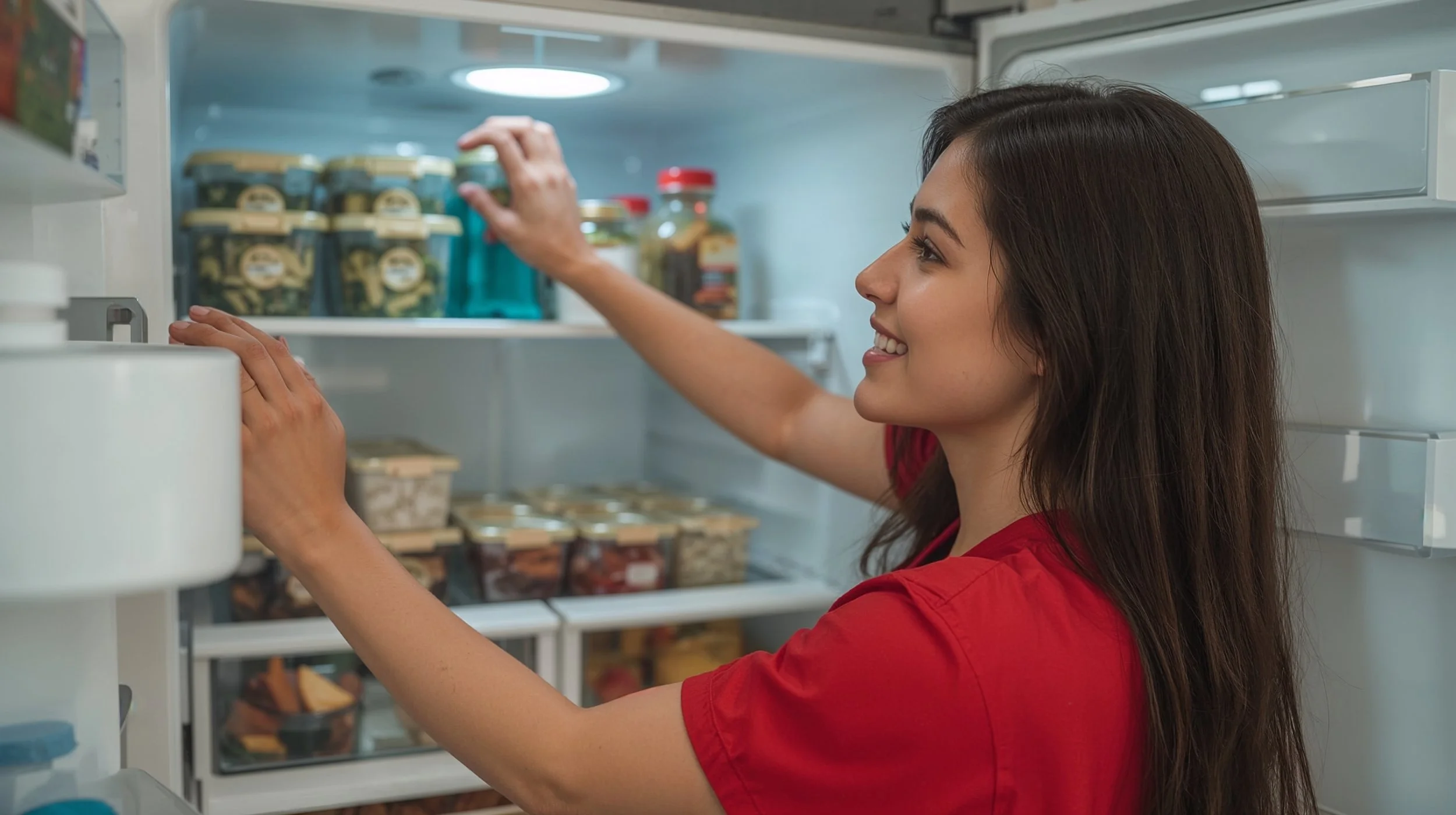
Kitchen Cleaning Checklist for Weekly Cleaning Jobs: When Grime Builds-Up
Your kitchen begins to feel "like new" once again during your weekly cleaning session. This is also when you will be able to eliminate odors and pest issues.
Outside of your appliances: Wipe down your fridge door, the front of your dishwasher, your oven door, and the outside of your microwave.
Inside of your microwave: Place a bowl of hot water and lemons inside of your microwave for a couple of minutes. Then, use a damp cloth to wipe down the interior of your microwave.
Degrease your stove top and knobs: Remove any grates or burner covers and gently degrease your stove top and knobs. Dry everything thoroughly.
Back splash and edge of walls: Grease settles on both of these areas.
Front of your cabinets: Especially near your stove and handles, as oils from your skin can leave a residue.
Small appliance zone: Coffee maker area, toaster crumb tray, blender base.
Mop your floors: First, vacuum or sweep the edges of your floors to remove any debris and then mop them.
If your kitchen receives high traffic, weekly cleaning sessions will prevent large messes that take longer to clean.
Kitchen Cleaning Checklist for Monthly Cleaning Jobs: Long-Term Protection of Your Kitchen
These monthly cleaning tasks will protect your kitchen over the long term, particularly the appliances and storage areas where grime builds-up without being noticed.
Clean-out your fridge: Get rid of any expired items, wipe down your fridge shelves and containers, and let your fridge air-dry before putting everything back.
Maintenance of your dishwasher: Clean the filter in your dishwasher (if it's removable), and wipe down the door seal of your dishwasher where residue tends to hide.
Check your oven: Check your oven for spills and quickly spot-clean any spills before they turn to carbonized messes that produce smoke.
Clean the range hood and vent area: Wipe down the exterior of your range hood, and check your filter to see if it needs to be replaced (some are washable).
Refresh your pantry: Take out any crumbs, wipe down your pantry shelves, and check for any opened packages that may attract pests.
Baseboards and corner of walls: Dust settles in the corners of your kitchen walls.
It is also a good idea to replace any old or worn sponges you've been using. Sponges are typically considered clean until they start to smell clean – that's when they're not clean anymore.

Kitchen Cleaning Checklist for Sanitizing Your Kitchen Surfaces: A Safe Way to Clean
Many believe that harsher chemicals equal a better cleaning result. In fact, soap and friction are capable of removing most grime and you should only use a targeted disinfectant in areas that require it.
Clean most of your kitchen surfaces using warm water and dish soap (counters, cabinets, appliances).
Targeted Disinfectants: Use a disinfectant on high-touch areas and surfaces that have come into contact with raw proteins.
Do Not Mix Chemicals (Especially Bleach-Based Products with Ammonia-Based Products). Mixing certain chemicals can be hazardous.
Allow surfaces to dry completely after wiping – excess moisture provides a breeding ground for bacteria.
Green cleaning doesn't mean less effective – it means using the best cleaning method for the task at hand without the lingering scent of chemical cleaners in your kitchen.
Kitchen Cleaning Checklist Supplies: What You Need to Create a Simple Kit Like Our Pros Use
Don't need a ton of cleaning supplies. Creating a smaller kit will improve your consistency:
Reusable microfiber cloths
Soft-bristle scrub brush + old toothbrush for crevices
Non-abrasive sponge
General-purpose dish soap (the real workhorse)
Baking Soda (Gentle Abrasive & Deodorizer)
White Vinegar (Glass & Mineral Deposits Only – Avoid Natural Stone)
Labeled Spray Bottles
Crevice Tool on Vacuum (Edges & Crumbs)
Note: If you are unsure about a surface (particularly natural stone, specialty finishes or sealed wood), test in a small hidden area first.

Kitchen Cleaning Checklist FAQ: Common Questions We Receive About Kitchen Cleaning Checklists
Q1. How Often Should I Follow My Kitchen Cleaning Checklist?
Follow your Kitchen Cleaning Checklist daily for cleanliness, weekly to remove grime and buildup, and monthly for long-term protection of your kitchen. Most kitchens remain consistently clean by completing quick daily resets and a weekly deep cleaning.
Q2. Which Area Do People Forget the Most?
The sink and faucet handles. Both are touched multiple times throughout the day and collect food residue and moisture. If you could only complete one cleaning task today – clean your sink, wipe your faucet and disinfect your high-touch areas.
Q3. Does Following a Kitchen Cleaning Checklist Really Help Prevent Pest Issues?
Yes. Pests are drawn to crumbs, grease films and uncovered food. Regular weekly cleaning of your floors and edges, along with monthly pantry refreshes, greatly reduce what pests seek.
Q4. I'm Busy — What Is the Fastest Version of This Checklist?
Counters + Sink + Stove Top + Trash + Touch Points. This is the fast cleaning job recommended by Karen's Green Cleaning professionals when you have limited time, but still want to ensure your kitchen remains safe for company.
Q5. When Would You Recommend Calling Karen's Green Cleaning Rather Than Doing It Yourself?
Call us when grease buildup has hardened, you continue to experience recurring odors or when you've fallen far behind and feel overwhelmed. A professional cleaning session will restore your kitchen to a clean state – making future cleaning sessions much easier.
Final Thoughts on Keeping Your Kitchen Clean
A spotless Kitchen is something you will have to work hard at keeping if you want one. It takes regular cleaning, but there are many high usage areas of your Kitchen that need special attention such as your counters, sink and appliances. No matter how well you follow your routine it seems impossible to avoid hidden buildup over time. At karen's green cleaning we provide professional cleaning services to maintain a clean, sanitary and operational Kitchen environment. We offer an easy way to create a clean and organized Kitchen space.
Your Complete Collection of Professional Cleaning Checklists
Practical Cleaning Guides, Checklists, and Resources for Homes, Rentals, and Businesses
How to Prepare Your Home for Spring Cleaning
Our Complete House Cleaning Checklist
Step-by-Step Deep Cleaning Checklist
The Ultimate Bathroom Cleaning Guide
Move-Out Cleaning Tips for Renters and Homeowners
Our Everyday Cleaning Checklist
The Essential Airbnb Turnover Checklist
A Cleaning Checklist Designed for ADHD-Friendly Homes
An Easy Weekly Home Cleaning Checklist
A Printable Guide to Professional Home Cleaning
Our Go-To Guide for a Spotless Kitchen
Our Recommended Office Cleaning Checklist
Smart Ways to Maintain a Clean Bedroom
The Must-Do Cleaning Checklist for Busy Homes
Our Go-To Checklist for Apartment Cleaning
A Complete Restaurant Cleaning Checklist
A Fresh Start Cleaning Checklist for Move-Ins
Post-Construction Cleaning Checklist for Homeowners
Cleaning Checklists for Every Room in Your Home
A Practical Home Cleaning Checklist for Busy Households
A Printable Checklist to Keep Your Home Organized
Our Commercial Cleaning Checklist for Businesses
Classroom Cleaning Checklist for a Healthier Learning Environment