9 Amazing WD-40 Alternatives
If you have used WD-40 for years, you already know it feels like the answer to everything.
Squeaks? Spray it. Rust? Spray it. Something stuck? Spray it again.
But the truth is, WD-40 is more of a quick helper than a long term fix. It loosens stuff and clears moisture, but it is not always the best match for certain materials or heavy duty parts.
The good news is there are a bunch of other products that can do an even better job depending on what you are working on. Some last longer, some stay cleaner, and some are way safer for plastic, rubber, or wood.
So if you are looking to level up your toolbox or just want something a little more specialized, here are nine easy and practical WD 40 alternatives you can reach for instead.
#1 Silicone Spray Lubricants
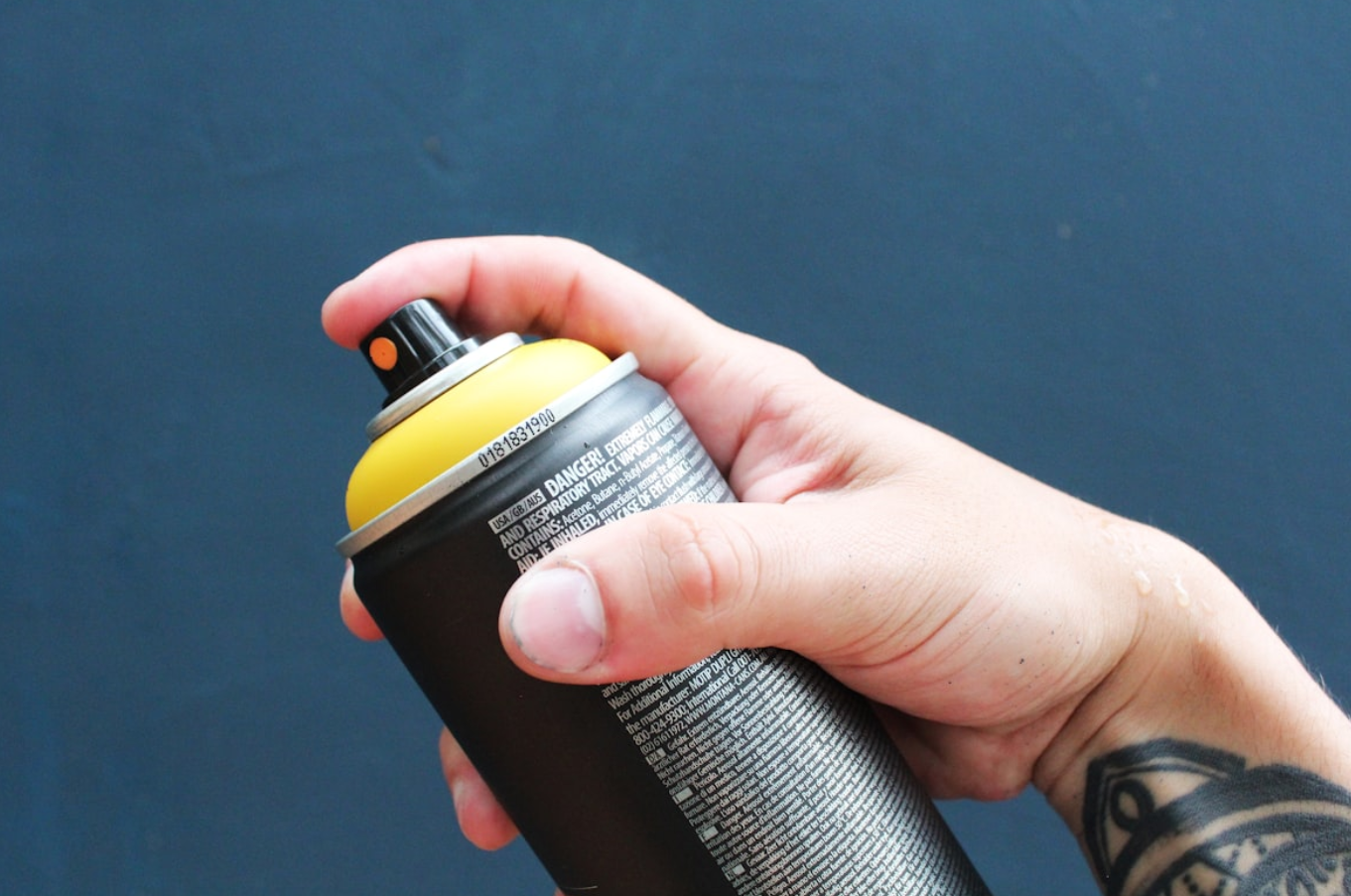
Silicone spray is the best WD-40 alternative out there.
They are super popular because they leave a clean and slick coating that does not collect dust.
They are gentle on rubber and plastic, which makes them perfect for things like window tracks, car door weather stripping, drawer slides, and small moving parts that should not attract grime.
They also stay slick in wet or humid environments. If you live somewhere rainy or near the coast, silicone spray is a great upgrade from WD-40.
It also does not swell or damage rubber, which is something that can happen if you keep using petroleum based sprays in tight seals.
You can use it on car sunroof trims, shower door rollers, treadmill belt edges, fan tracks, or pretty much anything with rubber or plastic that you want to keep smooth.
Also Read: Goof Off Vs Goo Gone
#2 White Lithium Grease
White lithium grease is thicker and more durable than WD-40 by a mile.
This WD 40 substitute is great for surfaces that experience pressure and friction.
Hinges on heavy doors, garage door tracks, metal sliding frames, gate joints, and moving machinery love this stuff.
It stays in one place instead of dripping and it holds up well under load.
It is not for extremely delicate surfaces though. It is more for parts that knock into each other or support some weight. If WD-40 is like a quick spritz, lithium grease is like a permanent hug for metal parts that need serious protection.
#3 PB B’laster
PB B’laster is a rust-busting, penetrating oil that’s a serious competitor to WD-40.
This is a penetrating oil designed to rescue stuck parts. It digs into rust and frees old bolts, screws, locks, chain links, and seized joints. It is extremely effective when you have something that simply refuses to move.
Some mechanics swear by it more than WD-40 because it works faster on corrosion.
One of the cool things about PB B’laster is how quickly it works. You don’t have to wait around for hours. Just spray it on, give it a few minutes, and you’re good to go.
It's a solid alternative to WD 40 if you're dealing with rusted nuts, bolts, or any parts that need a little help loosening up.
Also Read: Good Drano Alternatives
#4 Kroil
Kroil is another top tier penetrating oil in the same category as PB B’laster. It’s been around for decades and is known for its ability to loosen up the most stubborn of fasteners.
It creeps into microscopic gaps to break loose bolts or screws that feel welded shut.
It is common in workshops and auto garages because it works extremely well on deep seized rust.
The big difference is that Kroil is a little smoother and more refined in performance. It is not cheap, but it is one of those “buy it once for the nightmare problems” type products.
For serious corrosion issues, this is one of the best things you can use.
#5 ProSolve MS-50
ProSolve MS-50 is a true multipurpose alternative to WD-40.
It handles cleaning, protecting, moisture displacement, and quick lubrication all in one.
If you want something that does most of what WD-40 does but tends to last a bit longer and protect better against rust, this is a solid pick.
It is an all rounder that works well around the house, sheds, garden tools, metal handles, car parts, or any small hardware.
One of the standout features of ProSolve MS-50 is its ability to displace moisture. This means it’s perfect for applications where water could cause damage, like electrical connections or outdoor equipment.
Also Read: How To Clean Resin Out Of A Pipe
#6 Teflon PTFE Dry Lubricants
If you’re looking for a dry lubricant that won’t leave a greasy residue, Teflon (PTFE) is your go-to.
Unlike liquid lubricants, PTFE lubricants form a thin, slippery coating that makes surfaces glide smoothly without attracting dust or grime.
Teflon lubricants are especially useful in environments where dirt or debris might be a concern. Think of things like sliding drawers, locks, and even bike chains. The best part? It doesn’t get all messy or sticky.
You get the lubrication you need without the aftermath of oil and grime buildup.
Many cyclists and mechanics prefer PTFE for moving parts that do not need a wet residue.
#7 Mineral Oil Or Vegetable Oil
Sometimes the fix is just sitting in the kitchen cabinet.
Mineral oil is gentle and works well for basic squeaks or tiny friction points.
It is safe for wood, safe on cutting boards, gentle on metal surfaces, and very easy to apply. Vegetable oil is also usable in a pinch. It is not ideal for heavy machinery but it can totally handle simple hinges, squeaky screws, or sticky latches.
People also like mineral oil for home tools or indoor surfaces because there is no harsh smell.
And for anyone avoiding chemical sprays, this is the easiest natural WD 40 alternative you can reach for.
#8 Petroleum Jelly (Vaseline)
Petroleum jelly, like Vaseline, is a household staple that can do more than just soothe dry skin. It works as a lubricant, too.
While it's thicker than many other alternatives, this can actually be an advantage in certain situations. It’s especially good for sealing things like bolts or screws from moisture. The thick texture helps it stay in place, providing long-lasting protection.
Petroleum jelly can also help prevent rust and corrosion on metal tools and parts.
Just be careful not to overdo it, as it can get a little messy. It’s best used in small amounts where you need that extra staying power.
If something needs to stay lubricated for a long time without frequent reapplication, this is a simple winner.
#9 Beeswax
Beeswax may not be the first thing you think of when you need lubrication, but it works surprisingly well in a pinch. It’s all-natural, which is great if you’re looking for something more eco-friendly.
Beeswax can be used on wood, metal, and even leather to keep things from sticking or squeaking.
This is a fantastic option for things like drawer slides, wooden tools, and even certain types of leather goods. It’s not as versatile as some other lubricants, but it does an excellent job when used in the right applications.
Plus, it has a nice, natural scent, so it doesn’t leave you with that chemical smell some lubricants have.
Bottom Line
So, there you have it - nine solid alternatives to WD-40 that can handle everything from rust removal to long-lasting lubrication.
Some of these alternatives are better suited for specific tasks, so it’s a good idea to match your needs with the right product. But no matter what, you don’t have to rely on just one solution. Experiment with different products and see what works best for your situation.
And remember, a little goes a long way with most of these!