Is Swiffer Safe For Cats? (Solved)
If you’ve ever been halfway through cleaning your floors and suddenly thought, “Hold on… is this stuff safe for my cat?” you’re not alone.
Swiffer has been the center of a lot of online debates, rumors, and dramatic Facebook warnings over the years, so it makes sense that pet owners still feel a little unsure. No one wants to accidentally use something that could harm their furry little roommate.
The good news? This whole topic is way less scary than the internet makes it sound.
In this post, I’ll explain if Swiffer is safe for cats, and everything else you need to know.
Where The Concern Started
The entire panic originally blew up from a viral chain message that spread years ago.
Someone claimed their dog died after exposure to a Swiffer WetJet, and they blamed “antifreeze-like chemicals” in the cleaning solution. That wording alone was enough to send thousands of pet owners on a full Google spiral.
The issue turned out to be a misunderstanding.
People confused propylene glycol (found in all kinds of low-toxicity household products) with ethylene glycol (the dangerous ingredient found in antifreeze).
Two totally different things. Same “glycol” ending, but very different effects.
By the time vets and toxicologists debunked the rumor, the panic had already exploded. And once something gets embedded in the internet’s collective memory, it tends to stay there forever, even if it’s been proven false.
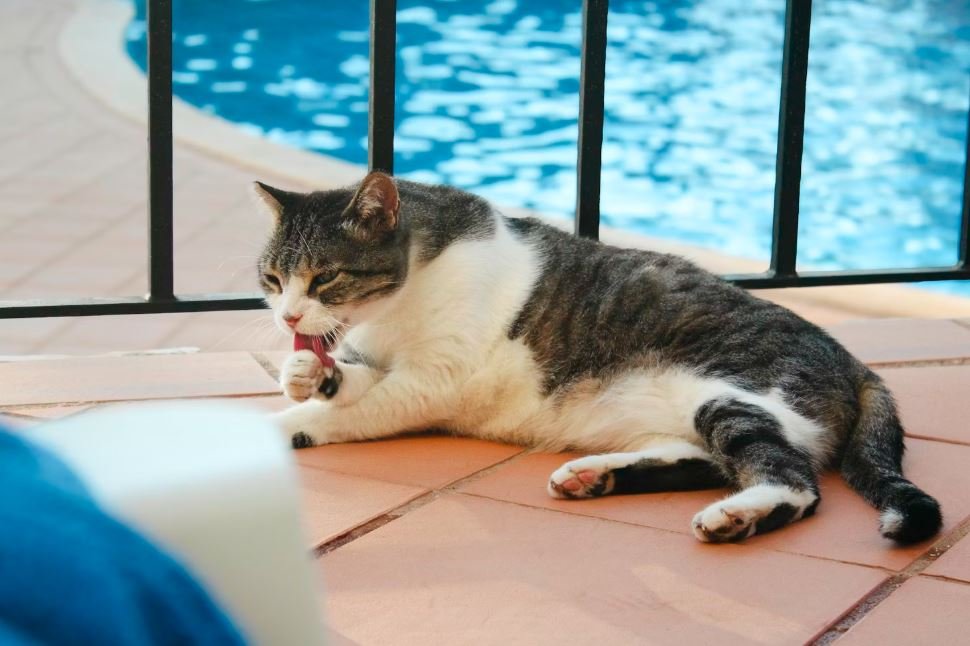
So the concern came from a place of fear, not facts - which is why so many people still ask this question today.
Is Swiffer Safe For Cats?
Yes, Swiffer products are safe for use around cats when used correctly.
They aren’t made with the dangerous type of antifreeze chemical everyone panicked about. Instead, the cleaning solutions have mild solvents, water, small amounts of cleaning agents, and fragrance.
The levels are low enough that once the floor is dry, your cat isn’t at any real risk.
Vets, toxicologists, and animal safety organizations have all said the same thing: there’s no evidence linking Swiffer products to pet poisoning when they’re used as directed.
And considering how long Swiffer has been around, there’d be a mountain of official reports by now if the product was truly dangerous.
Of course, no cleaner on earth is 100% risk-free. Even dish soap or vinegar can irritate a pet if they lick enough of it.
But Swiffer itself isn’t some secret pet-destroying hazard hiding under your couch.
Also Read: Is Dawn Powerwash Toxic?
When Swiffer Could Be Unsafe For Cats
Even though Swiffer doesn’t contain anything extremely toxic, things can still get a little problematic in certain situations. Basically, the danger comes from misuse, accidents, or curious cats making questionable choices - something they’re excellent at.
Here are a few situations where a problem could happen:
Your cat walks on a still-wet floor and aggressively licks their paws.
They chew on a Swiffer pad (some cats treat anything soft as a chew toy).
The cleaning solution bottle leaks, and your cat steps in a puddle.
A cat with allergies reacts to fragrance ingredients.
A very small kitten gets exposed to residue more easily than an adult cat.
Nothing here screams “emergency toxic danger,” but these situations can cause mild stomach upset, drooling, or irritation which are the kind of things that happen when they eat literally anything they shouldn’t.
Also, ingestion of the actual pad (or its fibers) is a choking hazard. Not because of chemicals, but because… well… swallowing a cleaning cloth has never been a good idea.
So it’s not the product itself that’s extremely dangerous, it’s the way cats sometimes interact with things they shouldn’t.
Signs Your Cat Might Have Been Exposed
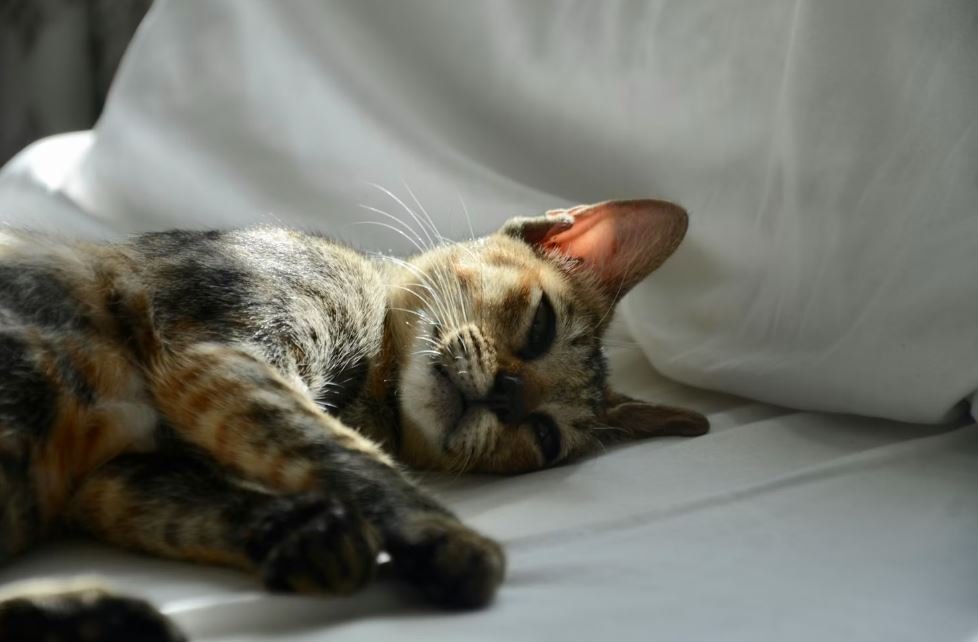
If your cat got into a cleaning product, you’ll usually know because they act a little “off.” It rarely turns into anything severe, but it’s helpful to know what to look for.
Also Read: Is Lysol Safe For Pets?
Here are some common signs:
Excessive licking of paws
Drooling or a weird foamy mouth
Mild vomiting
Redness or irritation on paws or nose
Sneezing or coughing if fragrance bothered them
Most of the time, rinsing their paws with plain water fixes the issue. But if your cat swallows part of a pad or keeps vomiting, that’s definitely vet-time.
It doesn’t happen often, but it’s better not to wait and see.
How To Use Swiffer Safely In A Home With Cats
Good news: you don’t need to throw your Swiffer in the trash or buy a hazmat suit. Using it safely just comes down to a few simple habits.
Let’s keep this super simple:
Let the floor dry fully before letting your cat walk across it.
Store pads and solution bottles in a closed cabinet so they can’t chew them.
Clean when your cat is in another room so they aren’t running across a wet floor.
When the floor is dry, it’s totally fine to let them back in.
If your cat somehow still finds a way to step into something questionable (because that’s their hobby), just wipe their paws with a damp cloth.
And if you’re worried about fragrance ingredients, you can switch to an unscented version. Some cats have sensitive noses, and strong scents can make them sneeze.
Also Read: Is Fabuloso Safe For Cats?
Pet-Safe Alternatives (If You Still Don’t Feel Comfortable)
If Swiffer still makes you a little uneasy, even after knowing it’s generally safe, that’s totally fine.
Plenty of cat parents prefer gentler cleaners simply because it gives them more peace of mind.
One of the most popular options is diluted white vinegar. It’s simple, extremely cheap, and does a surprisingly good job at cutting through grime. The only downside is the smell, but it fades quickly and doesn’t leave anything harmful behind.
You can also switch to plant-based cleaning products that are specifically marketed as pet-friendly.
These usually avoid harsher solvents and strong artificial fragrances, so they feel a bit softer and more natural around animals.
And honestly, you can’t go wrong with a microfiber mop paired with warm water.
It sounds almost too basic, but it works for everyday cleaning and doesn’t introduce any chemicals at all. Some people use a tiny drop of gentle dish soap in a bucket of water for extra cleaning power, then rinse the floor afterward.
Bottom Line
Swiffer is generally safe for cats when you use it the right way. It doesn’t contain the dangerous antifreeze chemical people were afraid of, and most vets agree that the product isn’t something you need to panic over.
Still, like with any cleaner, you want to keep your cat off the wet floor, avoid leaving pads around, store things properly, and pay attention if your cat seems irritated after exposure.
If the whole topic still stresses you out, that’s totally okay, there are plenty of gentle, pet-friendly alternatives out there.
Your cleaning routine should make your home feel fresher, not more stressful. And if your cat likes to supervise your mopping… honestly, same. They love chaos.
What to Do Next for a Cat-Safe Cleaning Routine
Thinking past convenience, if you are concerned about Swiffer being safe for cats, consider safer cleaning options for your home. Karen's Green Cleaning provides professional house cleaning services that minimize your family's (and pet's) potential chemical exposure in their cleaning process while still providing a fresh, healthy environment for all of your rooms. From floors to surfaces they cover everything, with an environmentally conscious cleaning method that will help provide a better living space for you and your cat. Karen's Green Cleaning provides the perfect way to have a very clean home, without concern for what your furry friends might be exposed to.