Is Splash Toilet Cleaner Safe For Septic Systems?
If you’ve ever owned a home with a septic system, you already know the struggle.
Every cleaner suddenly feels like it’s plotting against your tank. You pick up a toilet cleaner, flip it around, scan the label, and still wonder if you’re about to ruin something expensive with one flush.
Splash toilet cleaner comes up a lot in that moment.
It smells lighter, looks gentler, and claims to be septic-friendly, but claims don’t always equal peace of mind.
In this post, I’ll explain if Splash toilet cleaner is septic safe, what it's made of, how it behaves once it’s flushed, and when it’s not ok to use.
What Is Splash Toilet Cleaner Made From?
Splash toilet cleaner is foam-based cleaner that is lighter on harsh chemicals compared to traditional toilet cleaners. Instead of relying heavily on bleach or strong acids, it uses surfactants and mild cleaning agents to loosen grime and stains.
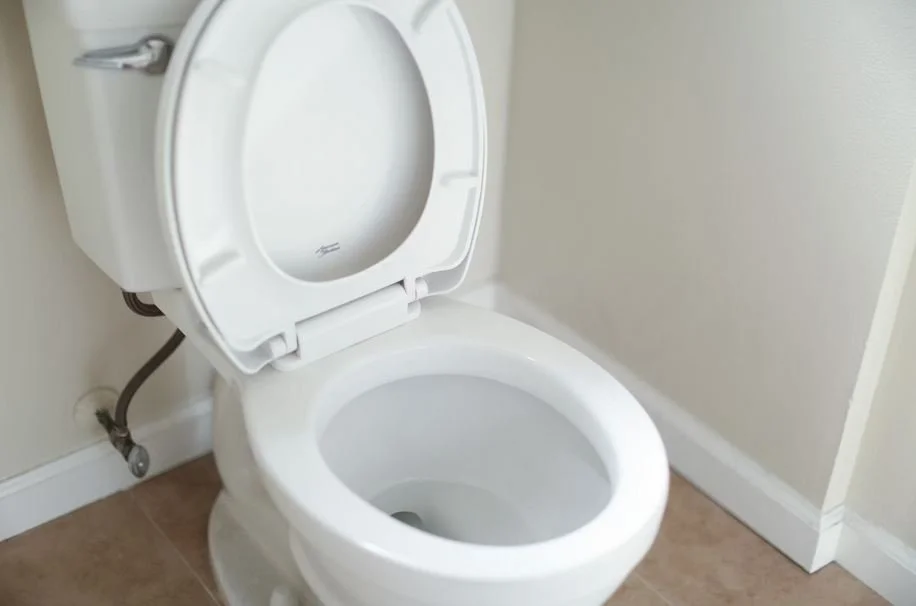
Here are its main ingredients:
Citric acid anhydrous
Sodium lauryl sulfate
Sodium carbonate
Sodium citrate dihydrate
Sodium polyacrylate
EDTA acid (or similar chelating agents)
Surfactants
Most versions avoid chlorine bleach, which is a big deal if you care about septic health.
Bleach is great at killing germs, but unfortunately, it doesn’t know the difference between bad germs and the good bacteria living inside your septic tank.
Splash leans more toward biodegradable ingredients designed to break down after use rather than linger and cause trouble.
Also Read: Septic Safe Toilet Tank Tablets
Is Splash Toilet Cleaner Septic Safe?
Yes, Splash toilet cleaner is generally considered septic safe when used as directed.
Many of its formulas are designed to break down naturally once flushed, which helps protect the bacterial balance inside your septic tank.
Septic systems rely on bacteria to break down waste. As long as those bacteria stay alive and happy, your system works smoothly. Splash doesn’t typically include ingredients known for wiping out large amounts of bacteria in one go, which puts it in the safer category.
The key phrase here is “used as directed.”
A normal amount, flushed down the toilet, now and then, is unlikely to cause issues.
Dumping half a bottle into your toilet every day for a week is a different story. Even products labeled septic safe can cause problems if overused.
What Does The Manufacturer Say?
Manufacturers usually know that septic safety matters to a lot of households.
Splash has marketed several of its toilet cleaners as septic-safe and biodegradable, which signals that the formulas were tested with septic systems in mind.
That label usually means a few things:
The ingredients break down after flushing. They don’t contain high levels of bleach or corrosive acids. And they’re meant to be used in moderate amounts, not as industrial-strength cleaners.
Also Read: 7 Septic Safe Bathroom Cleaners
That said, manufacturers also assume normal household use. They aren’t accounting for extreme scenarios, like cleaning the toilet five times a day or combining products.
Labels are helpful, but they aren’t a free pass to go wild with the bottle.
When Splash Toilet Cleaner Might NOT Be Safe
Even a septic-safe cleaner can become a problem in certain situations. Splash is no exception. Issues usually come from how the product is used, not the product itself.
Here are a few situations where trouble can start:
Using large amounts very frequently, especially in a short period of time
Mixing Splash with bleach or other harsh cleaners
Using a version of the product that does not clearly state septic-safe on the label
Septic systems are more sensitive than city sewer systems. If your tank is older, undersized, or already stressed, even mild cleaners can push it over the edge.
Tips For Using Splash Safely In A Septic System
Using Splash safely isn’t complicated. It mostly comes down to moderation and common sense.
First, stick to the recommended amount. More foam doesn’t mean a cleaner toilet. It just means more chemicals going into the tank. Second, don’t clean your toilet obsessively. A regular cleaning schedule is more than enough for most homes.
Also Read: Worst Laundry Detergents For Septic Systems
Also avoid mixing products. Splash on its own is one thing. Splash plus bleach plus drain cleaner is a recipe for septic confusion.
Here are some simple habits go a long way:
Flush promptly after cleaning instead of letting chemicals sit
Space out cleaning days instead of doing everything at once
Give your septic system breaks between heavy cleaning sessions
Your septic tank doesn’t need to live in a chemical-free fantasy world. It just needs balance.
Alternatives If You’re Still Worried
If you still feel uneasy using Splash, you’ve got options.
Some people prefer going ultra-gentle, especially if their septic system is old or has had problems before.
Enzyme-based toilet cleaners are popular because they actually support bacterial activity instead of working against it. These cleaners focus more on prevention than aggressive scrubbing. They’re slower, but very septic-friendly.
Then there are the simple DIY approaches.
Baking soda and vinegar won’t win awards for deep stain removal, but they’re incredibly easy on septic systems.
Mild dish soap paired with a good toilet brush can also handle basic cleaning without upsetting anything underground.
You don’t need to switch forever. Some homeowners rotate products, using Splash occasionally and gentler methods the rest of the time.
Bottom Line
Splash toilet cleaner sits in a pretty comfortable middle ground. It’s stronger than DIY methods but far gentler than heavy-duty chemical cleaners.
When used normally, it’s considered safe for septic systems and unlikely to harm the bacteria your tank depends on.
Problems usually come from overuse, mixing products, or assuming “septic safe” means unlimited use.
If your tank has a history of issues, going gentler might give you peace of mind.
For most households, though, Splash used responsibly is a perfectly reasonable choice. And yes, you can finally stop squinting at the label in the store aisle.
Keep Your Toilet Clean, Maintain Your Septic System Health
To find out whether a toilet cleaner will be safe for your septic system, you need to think of how this product will fit in with your general cleaning routine. Many cleaners are considered “safe” for your septic system. But even so, many buildups may occur when your regular cleaning routine doesn’t follow through on the proper maintenance. At Karen's Green Cleaning we provide all our customers with professional cleaning service that helps keep your bathroom clean while keeping your septic system healthy. We have the knowledge and experience to give you the expertise needed to maintain a clean, working area at the same time.